
Development
Beyond the emergency: building something that lasts
Caritas Bamenda existed long before the current crisis, and will continue long after it. Emergency response saves lives; development work changes the conditions that made people vulnerable in the first place.
Integral human development
The Church's understanding of development is not narrowly economic. It concerns the whole person and every person — health, education, livelihood, dignity, participation and the environment we share. That framing shapes what we choose to do and how we measure whether it worked.
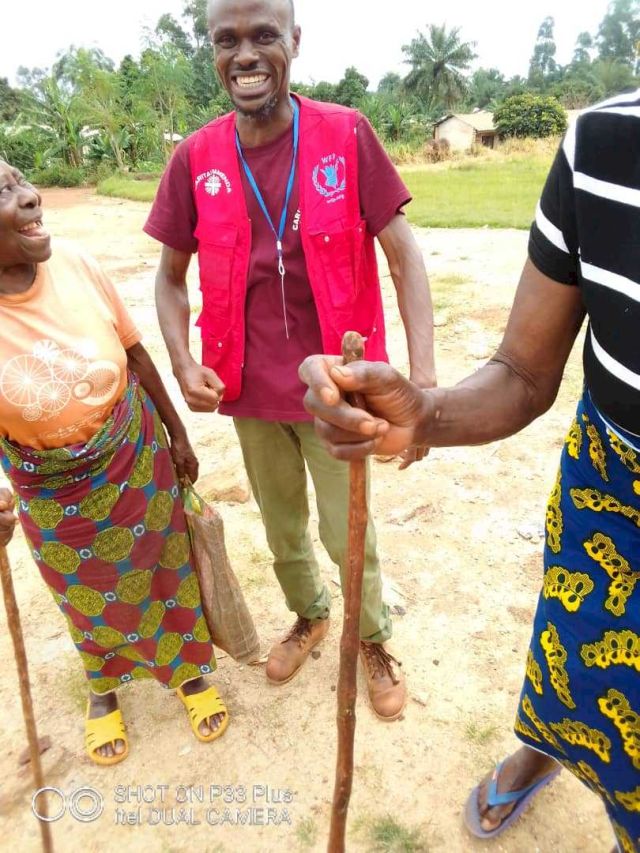
Strengthening communities, not substituting for them
We work through parish structures, community-based organisations and farmer and women's groups rather than around them. Where we build capacity — in organisation, planning, bookkeeping or advocacy — the capacity remains after the project ends.
Livelihoods and economic inclusion
We support savings and lending groups, vocational training, small enterprise and agricultural livelihoods, with particular attention to women and young people who are most often excluded from economic opportunity.
Advocacy
Part of development is speaking about causes, not only symptoms. We raise the situation of the communities we serve with those whose decisions affect them, and we support communities to speak for themselves.
Linking relief and development
In practice the two are not separate. A family receiving food assistance today should be in agricultural support tomorrow. Designing that transition deliberately is what prevents assistance from becoming permanent.
Stand with the families we serve
A gift to Caritas Bamenda becomes food on a table, a roof over a displaced family, clean water in a village, a child back in school.